Source Oil Industry Pneumatic Directional Valve for Hydraulic Systems
Find and compare 30 oil industry pneumatic directional valve options featuring hydraulic transmission and stainless steel construction. Evaluate specifications such as maximum pressure, flow rate, and thread types to identify suitable components for specialized excavator and modular relief valve applications.
Key considerations
Products List




Comprehensive Sourcing Guide
Oil Industry Pneumatic Directional Valve Sourcing Guide
Procuring directional control valves for the oil industry requires a rigorous understanding of both pneumatic actuation and hydraulic power transmission, as these components often serve as the critical interface between control logic and heavy mechanical execution. In this sector, valves are not merely simple switches; they are precision-engineered devices that manage fluid flow direction, pressure, and volume under extreme conditions. Buyers must recognize that while the core keyword suggests pneumatic operation, many industrial applications utilize hydraulic systems driven by pneumatic signals or integrated into larger hydraulic modular systems. The distinction is vital because material compatibility, pressure ratings, and sealing technologies differ significantly between pure pneumatic circuits and high-pressure hydraulic environments. This guide focuses on the verification of technical attributes, compliance standards, and supplier capabilities to ensure that the selected valves meet the stringent demands of oilfield and processing operations.
The sourcing process for these components is characterized by a wide variance in specifications, origins, and commercial terms. Market observations indicate that products labeled under this category often span from small, specialized pneumatic actuators to large, multi-section hydraulic monoblock valves. This diversity means that a single sourcing strategy is insufficient. Procurement teams must first define the exact operational context—whether the valve is part of a low-pressure pneumatic control loop or a high-pressure hydraulic power unit. By aligning the technical requirements with the observed market data, buyers can filter out irrelevant listings and focus on suppliers who demonstrate specific expertise in the relevant pressure ranges, media compatibility, and environmental conditions. This disciplined approach reduces the risk of procurement errors and ensures that the final installed components perform reliably in the field.
Product Scope and Observed Listing Signals
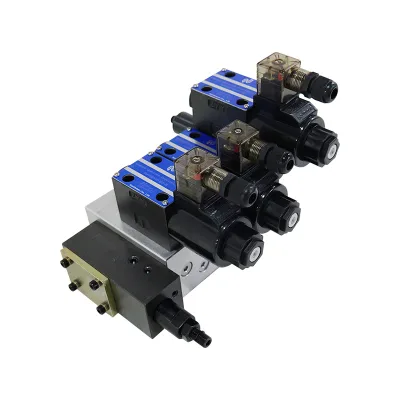
The current market landscape for directional valves in the oil industry reveals a broad spectrum of product types, ranging from simple single-spool valves to complex monoblock assemblies. Listings frequently highlight products with specific configurations such as "Internal Thread" connection modes and "Directly Operated Type" mechanisms, which are essential for understanding how the valve interfaces with existing piping and control systems. Buyers should note that many observed products are categorized under broader headings like "Crawler Excavator" or "Special Excavator" components, indicating that these valves are often integral to heavy machinery used in extraction and transport. This suggests that the scope extends beyond simple fluid control to include robust, high-duty-cycle components capable of withstanding the vibrations and shocks inherent in mobile oilfield equipment.
Observations of product attributes also reveal significant variations in origin and packaging, which serve as indirect signals of manufacturing maturity and logistics readiness. Products are sourced from diverse locations, including China, Japan, and specific industrial hubs like Hebei Xingtai Ningjin and Shandong Province. The presence of certifications such as CE and GS, alongside ISO standards, provides a baseline for quality assurance, though buyers must verify the specific scope of these certifications for their intended application. Furthermore, packaging details like "Strong Wooden Carton" or "Foam Mat&Carton&Wooden Tray" indicate that suppliers are aware of the fragility and precision of these components during transit. These logistical signals help buyers assess the supplier’s professionalism and their ability to deliver goods in pristine condition, which is critical for maintaining the integrity of precision-machined valve internals.
Technical Specifications to Verify
When evaluating technical specifications, the pressure rating and flow capacity are the most critical parameters to verify against operational requirements. Observed data points to a wide range of capabilities, with some valves rated for a maximum pressure of 20MPa or 250bar, while others specify relief valve set pressures between 100-250bar. Buyers must ensure that the selected valve’s operating pressure exceeds the maximum system pressure by a safe margin to prevent catastrophic failure. Additionally, flow rates are a key performance indicator, with observed values ranging from 53 L/Min to 80L/Min for hydraulic valves. It is essential to confirm that the valve’s rated flow matches the pump capacity and actuator requirements of the specific machinery, as mismatches can lead to sluggish response times or excessive heat generation in the hydraulic fluid.
Material composition and media compatibility are equally important, particularly in the oil industry where exposure to harsh chemicals and extreme temperatures is common. Listings indicate materials such as Stainless Steel and Rubber Cast Iron, which offer different balances of corrosion resistance and mechanical strength. The media compatibility is often specified as "Hydraulic Oil" or "Oil," with operating temperature ranges extending from -20°C to +80°C. Buyers must verify that the valve’s sealing materials and body construction are compatible with the specific type of hydraulic fluid used in their application, as well as the ambient and media temperatures. Furthermore, the drive type, whether "Hydraulic Transmission" or "Internal Combustion Drive," and the connection mode, such as "Internal Thread" or various port sizes like Bsp/Metric/Unf/NPT, must be precisely matched to the existing infrastructure to ensure seamless integration and leak-free operation.
Compliance and Safety Documentation
Compliance with international safety and quality standards is non-negotiable in the oil industry, where equipment failure can lead to severe environmental and safety incidents. Buyers should prioritize suppliers who provide verifiable certification documentation, such as CE and GS marks, which indicate adherence to European safety and general product safety directives. These certifications are not merely decorative; they represent a rigorous testing process that validates the valve’s electrical safety, mechanical integrity, and environmental compatibility. However, buyers must request the actual certificate documents and verify their validity with the issuing body, as the presence of a logo on a product listing does not guarantee current compliance. Additionally, ISO standards should be referenced to ensure that the manufacturing processes meet recognized quality management benchmarks, providing an additional layer of assurance regarding consistency and reliability.
Beyond formal certifications, buyers must ensure that the valves meet specific industry standards for pressure equipment and hazardous area classifications. While specific standard numbers may vary by region and application, the general requirement is that the valve must be rated for the expected pressure cycles and environmental conditions. Documentation should include detailed technical datasheets that specify the valve’s performance curves, response times, and leakage rates. Buyers should also verify that the supplier provides comprehensive installation and maintenance manuals, which are crucial for ensuring that the valve is installed correctly and maintained according to best practices. This documentation serves as a legal and technical reference point, helping to resolve disputes and ensure that the equipment is used within its designed operational limits.
Cost Drivers and Commercial Terms
The cost of directional valves in the oil industry is influenced by several key factors, including material quality, manufacturing complexity, and certification requirements. Products made from stainless steel or featuring advanced sealing technologies typically command higher prices due to the increased cost of raw materials and the precision required in their fabrication. Additionally, multi-section monoblock valves, which can range from 1 to 7 sections, involve more complex machining and assembly processes, leading to higher unit costs. Buyers should also consider the impact of customization, which is often available but may incur additional engineering and tooling fees. Understanding these cost drivers allows procurement teams to budget accurately and negotiate effectively, ensuring that they receive the best value for their specific technical requirements.
Commercial terms, including minimum order quantities (MOQ) and payment conditions, also play a significant role in the total cost of ownership. Observed MOQs range from 1 to 100 units, offering flexibility for both small-scale repairs and large-scale fleet replacements. Buyers should leverage this range to negotiate favorable terms, especially when placing larger orders. Payment terms should be structured to protect the buyer’s interests, with a portion of the payment withheld until delivery and inspection are complete. Additionally, buyers should inquire about warranty periods and after-sales support, as these factors can significantly reduce long-term maintenance costs. Suppliers offering online support or comprehensive warranty coverage provide an added layer of security, ensuring that any issues are resolved promptly without incurring additional expenses.
Supplier Qualification and Quality Control
Supplier qualification is a critical step in the sourcing process, requiring a thorough assessment of the supplier’s manufacturing capabilities and quality control systems. Buyers should verify that the supplier has a proven track record in producing directional valves for the oil industry, with references from previous clients in similar sectors. It is essential to request evidence of their quality management systems, such as ISO 9001 certification, and to understand their internal testing procedures. Suppliers should conduct rigorous pressure testing, leakage tests, and cycle life tests on every batch of valves to ensure consistency and reliability. Buyers may also consider conducting third-party inspections or factory audits to verify the supplier’s claims and ensure that their production processes meet the required standards.
Quality control should extend beyond the final product to include the entire supply chain, from raw material sourcing to final packaging. Buyers should inquire about the supplier’s material traceability systems, which ensure that every component can be traced back to its original source. This is particularly important for critical materials like stainless steel and specialized seals, where quality variations can lead to premature failure. Additionally, buyers should assess the supplier’s packaging and logistics capabilities to ensure that the valves are protected during transit. Proper packaging, such as strong wooden cartons or foam mats, is essential to prevent damage to the precision-machined components. By selecting suppliers with robust quality control systems, buyers can minimize the risk of receiving defective products and ensure long-term operational reliability.
Long-Term Procurement Checks
Long-term procurement success depends on establishing a continuous improvement loop with suppliers, focusing on performance monitoring and feedback. Buyers should implement a system for tracking valve performance in the field, including metrics such as mean time between failures, maintenance frequency, and repair costs. This data should be shared with suppliers to drive continuous improvement in product design and manufacturing processes. Regular performance reviews with key suppliers can help identify emerging issues and opportunities for optimization, ensuring that the procurement strategy remains aligned with operational needs. By fostering a collaborative relationship with suppliers, buyers can benefit from early access to new technologies and improvements, enhancing the overall efficiency and reliability of their oilfield operations.
Additionally, buyers should regularly review their supplier base to ensure that it remains competitive and resilient. This includes assessing suppliers’ financial stability, production capacity, and ability to adapt to changing market conditions. Diversifying the supplier base can mitigate risks associated with single-source dependencies, ensuring that supply chain disruptions do not impact operations. Buyers should also stay informed about industry trends and regulatory changes that may affect valve specifications and compliance requirements. By maintaining a proactive approach to supplier management and market intelligence, buyers can ensure that their procurement strategy remains robust and effective in the long term, supporting the safe and efficient operation of their oil industry assets.
FAQs
What certifications are available for these hydraulic valves?
These products carry CE certification, with some models also meeting GS and ISO standards. Buyers should verify specific certification documents for each model to ensure compliance with regional safety requirements before placing orders.
Can I request customization for these hydraulic components?
Customization is available for these products to meet specific operational needs. Buyers can discuss modifications with suppliers to adjust specifications like pressure ratings or connection modes while maintaining the core hydraulic functionality.
What is the maximum operating pressure for these valves?
The maximum operating pressure reaches up to 250 bar for certain models like the P80 series. Other variants may have different limits, so checking the specific model datasheet is essential for system safety.
Which materials are used to construct these hydraulic valves?
Manufacturers use materials such as stainless steel and rubber cast iron for durability. The selection depends on the specific application, ensuring resistance to hydraulic oil and varying temperature conditions from -20 to +80 degrees.
How are these products packaged for international shipping?
Packaging options include cartons, strong wooden cartons, and foam mats with wooden trays. The specific packing method depends on the model and supplier location, ensuring protection during transit from China or other origins.
What is the typical flow rate for these hydraulic valves?
Flow rates vary by model, with some units rated at 53 liters per minute and others at 80 liters per minute. Buyers must select the correct flow capacity based on their specific hydraulic system requirements.
Where are these hydraulic valves manufactured?
Products originate from locations in China, including Hebei Xingtai Ningjin and Shandong Province. Some listings also indicate origins in Japan, so verifying the specific factory location is necessary for logistics planning.